Free AI Porn Images in 2026: What You Can Actually Make for Free — and What Free Can’t Do
Free is a word that gets thrown around a lot. On this site, it means something specific: image generation with no registration, no sign-up, no email, no phone verification, and no credit card. You open the generator, you type, you get an image. That is the whole deal — and it is a real deal, because most generators ask for an account before they show you anything.
But free has limits, and the limits are the story. A free image is a still image: one frame, one moment, one look. It is not a video. It is not a face swap. It is not an undress. It is a portrait, a scene, a style test — and knowing what a free image can and cannot do is the difference between a free user who makes something good and a free user who burns a session on the wrong mode.
This guide is about free images: what you can actually make for free, what free cannot do, and how to get the most from a free generation. It is written for fictional adult characters only. The consent rule is absolute: generate images of yourself, or of fictional adults, and never of a real person without their consent.
Quick verdict
Free images are real: no registration, no sign-up, no email, no phone verification, no credit card. A free image is a still — a portrait, a scene, a style test — and it is good at those three things. It is not a video, not a face swap, and not an undress. Spend free on what free does best.
In this guide
- 1. What free means here
- 2. What a free image is good at
- 3. What free cannot do
- 4. One image at a time: how to spend free well
- 5. The portrait first: build the character on free
- 6. Style tests: the cheapest use of free
- 7. Keep a library: free images compound
- 8. Five mistakes that waste free
- 9. Cost: what comes after free
- 10. Consent: the rule that decides everything
- FAQ
1. What free means here
Free means no registration, no sign-up, no email entries, and no phone verification. You can access the image generator directly, without an account, and without a credit card. That is the site’s own promise, and it is written on the homepage — not as a trial, not as a teaser, but as the way the image generator works.
Free also means a still image. The image generator makes images, and images are stills: one frame, one moment, one look. A still is not a video, and a video is a different mode, with a different price. Knowing the difference is the first skill of a free user — because a free user who tries to make a video with an image generator is a free user who wastes a session.
And free means you can start now, with nothing. No account to create, no card to enter, no email to confirm. The barrier is zero, and zero is the point.
2. What a free image is good at
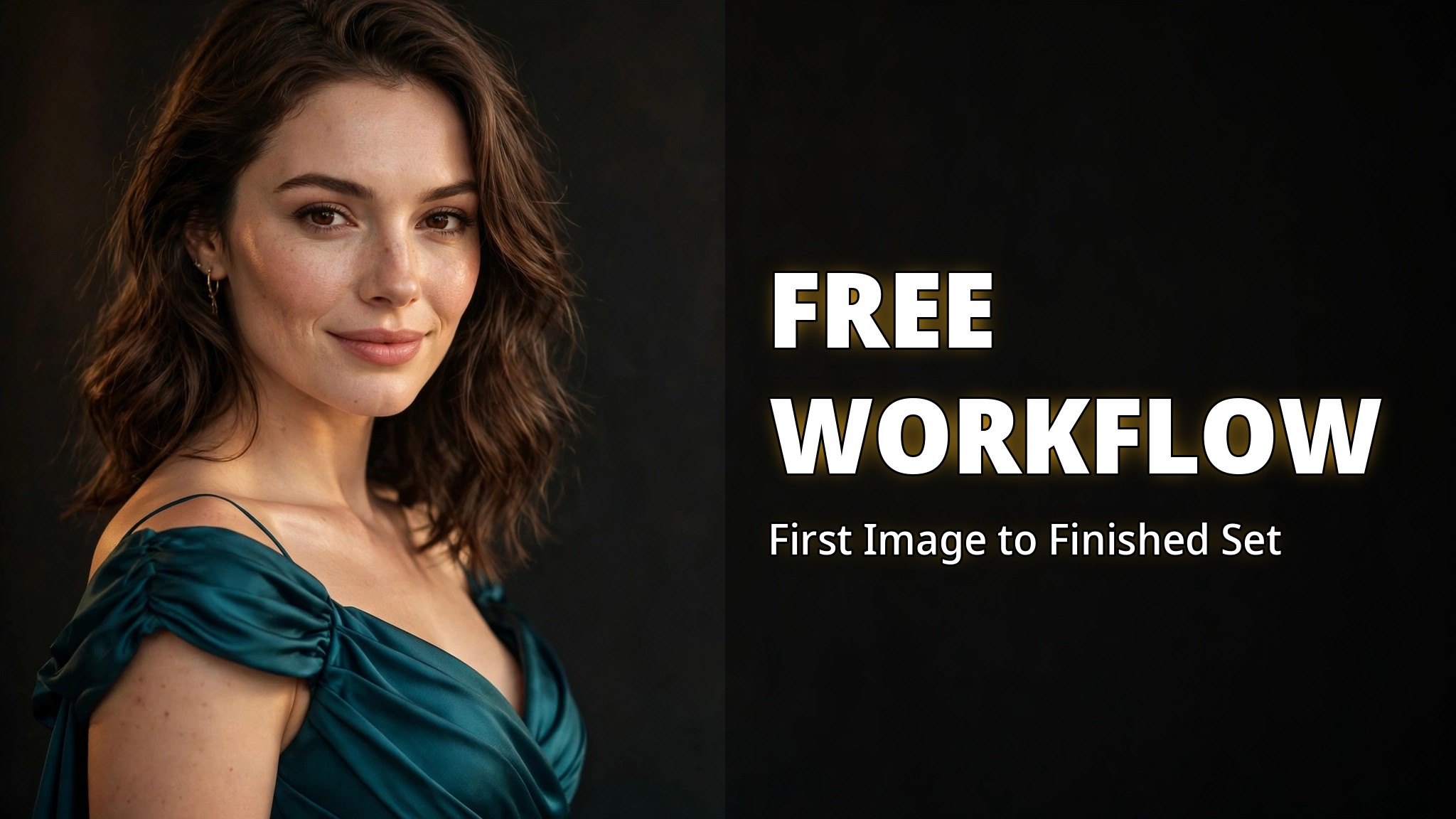
A free image is good at three things: a portrait, a scene, and a style test. A portrait is a face — one person, one look, one light — and a portrait is the cheapest way to find out whether a character works. A scene is a room — a desk, a lamp, a window — and a scene is the cheapest way to find out whether a setting works. A style test is a look — warm, sweet, hard, soft — and a style test is the cheapest way to find out whether a direction works.
Start with the portrait. A portrait tells you whether the character is a person before you build the world around her. If the face is wrong, the scene will be wrong. If the face is right, the scene has a reason to exist. Portrait first, scene second.
And use free for the test, not for the final. A style test is a free image with a short prompt and a clear question: does warm light work, or does cold light work? Does a smile work, or does a stare work? One image, one question, and the answer is visible. Our prompt library guide on this site covers building a personal library without paying — use it after this one, once you know what to test.
3. What free cannot do
Free cannot make a video. A video is a sequence of frames, and a sequence is a different mode, with a different price — about 351 credits for a five-second 720p clip, and 561 for eight seconds. A free image is one frame. One frame is not a video, and no amount of free images will become one. If you want movement, you need the video mode, and the video mode is paid.
Free cannot swap a face, and it cannot undress. A face swap is a paid mode, about 26 credits. An undress is a paid mode, about 21 credits. An upscale is a paid mode, too. These are not free, and they are not hidden — the generator shows the exact cost before you run it, so the price is never a surprise. Free is for images. Paid is for the rest.
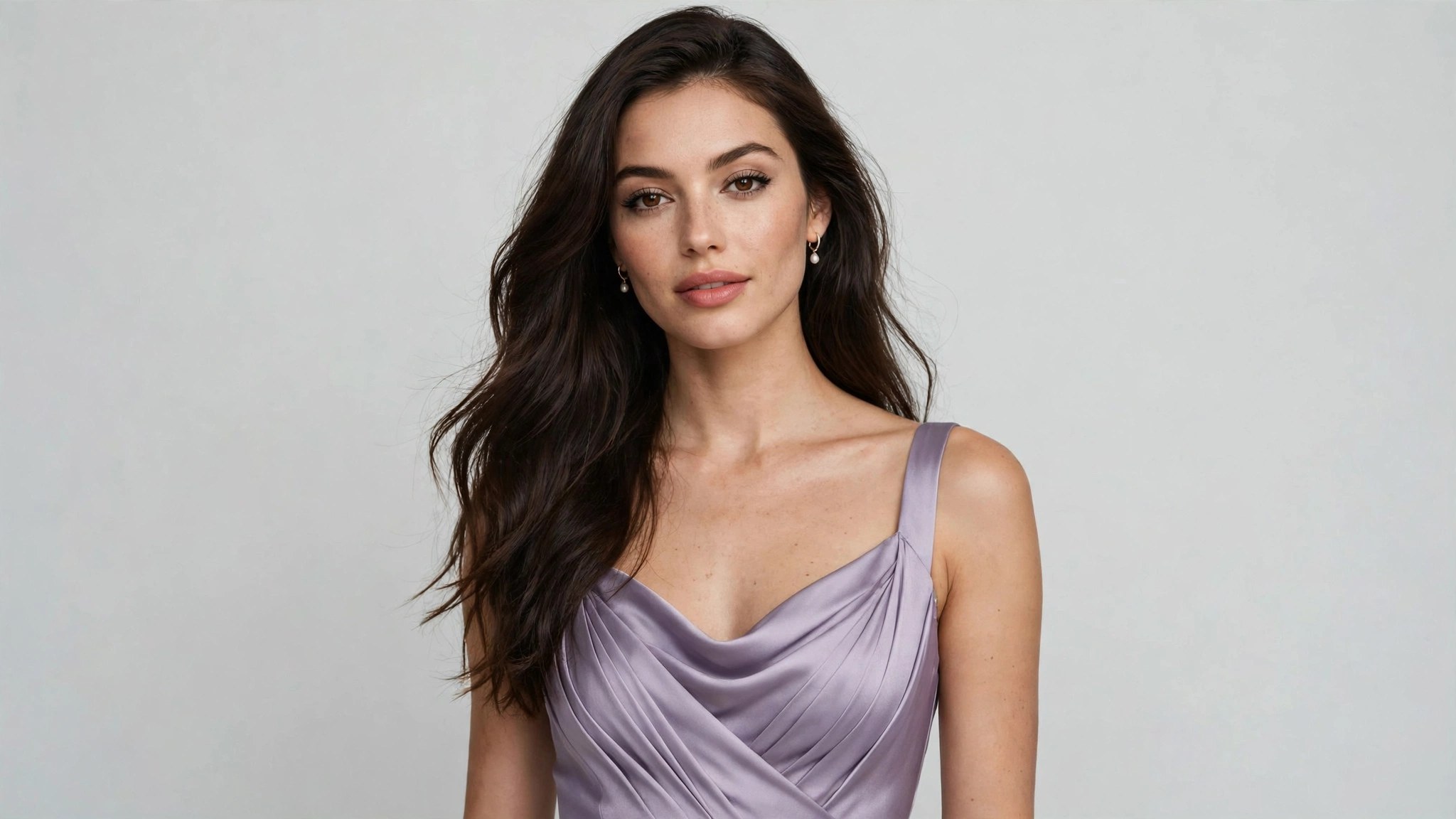
And free cannot make a character consistent by itself. Consistency needs a reference image, a character sheet, and a room reference — and those are habits, not modes. Free gives you the generations. The habits are yours to build.
4. One image at a time: how to spend free well
Spend free one image at a time. Generate one image, look at it for a full minute, name the one thing that is wrong, change that one thing, and generate again. One image, one lesson. A free user who generates ten images at once learns nothing, because ten images is ten guesses.
And keep the prompt short when you test. A long prompt has twenty variables, and twenty variables is twenty chances to break something. A short prompt has five variables, and five variables is five decisions you can track. Write the prompt for the image you want, not for the image you wish for. Short is not simple. Short is controlled.
And save what works. When a generation gets the light exactly right, save the image and note the prompt that made it. When a generation gets the face exactly right, save the portrait and note the words that described it. Free images compound: the tenth free image is better than the first, because the library is the memory, and the memory is the skill.
5. The portrait first: build the character on free
Build the character on free, because the portrait is the cheapest test there is. Generate the portrait first, from nothing, and keep it — and use it as the reference for every scene after it. The face stays. The room changes. The dress changes. The light changes. The face is the anchor, and the anchor is what makes her a person.
Generate the portrait in the same light you will use for the scenes. A portrait shot in warm window light, used as a reference for a scene in cold neon light, will drift — because the model copies the light with the face, and the light is not the face. Match the light, and the face holds. Match the angle, too: a front-facing portrait is a good reference for a front-facing scene, and a poor reference for a profile.
And keep one portrait, not five. Five portraits is five faces, and five faces is a parts list. One portrait, and the character is one person. If the portrait is wrong, generate a new one — and then use the new one for everything. One face, one reference, and the character stays herself.
6. Style tests: the cheapest use of free
A style test is the cheapest use of free, because a style test is one image with a clear question. Does warm light work, or does cold light work? Does a smile work, or does a stare work? Does a rose dress work, or does a teal dress work? One image, one question, and the answer is visible — because the image is the answer, and the answer is cheap.
Test one thing at a time. A test that changes the light and the pose and the dress teaches you nothing — because if the image gets better, you do not know which change did it, and if it gets worse, you do not know which change to undo. One thing, one test, and the result is a lesson. Three things, one test, and the result is a mystery.
And test the look before you build the set. A set is a portrait plus a room plus three scenes — about five images, and five images is a commitment. A style test is one image, and one image is a question. Ask the question first, and the set has a reason. Build the set first, and the set is a guess.
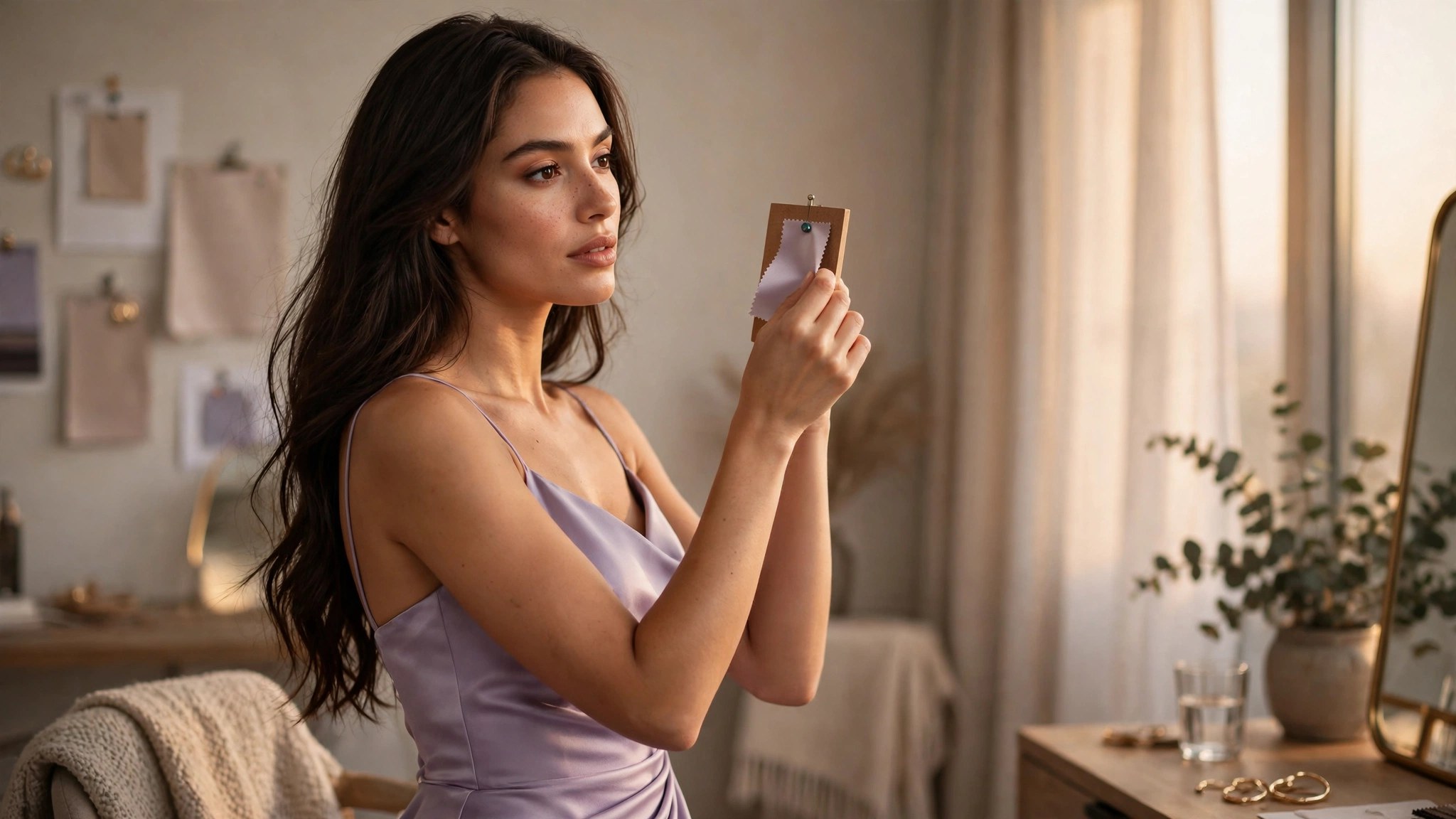
The test is also the fastest way to learn what you like. A free image that surprises you is a free image that taught you something.
7. Keep a library: free images compound
A library is a folder of what worked: the portrait, the room, the style test, the prompt that made each one. One folder, and you keep it for every session. The library is what stops you from making the same image twice: without it, the image is a surprise, every time. With it, the image is a note, and a note is a lesson.
Update the library when something works. When a prompt gets the room exactly right, save the image and note the prompt that made it. When a prompt gets the expression exactly right, save the portrait and note the words that described it. The library is a record of what worked, and it is the reason your tenth session is better than your first. Our zero-cost content strategy on this site covers publishing daily with free renders — use it after this one, once you have a library to publish from.
One library, one creator. If you work on two projects, keep two libraries. Two projects on one library become one project with two faces — and two faces is a parts list, not a plan.
8. Five mistakes that waste free
- Ten images at once. Ten guesses, no lessons. Fix: one image at a time, and name the one thing that is wrong.
- Trying to make a video. One frame is not a video. Fix: use free for stills, and pay for the video mode when you want movement.
- No portrait first. A scene built for a face that does not work. Fix: generate the portrait first, and lock the face.
- Changing three things at once. A mystery, not a lesson. Fix: one variable at a time.
- No library. The same image, every session. Fix: save what works, and note the prompt that made it.
Fix one mistake at a time. Change the loop, or change the portrait, or change the library — not all three. One change, one lesson. The free users people remember were not born good. They were beginners who kept a library, and the library made them better.
9. Cost: what comes after free
Free covers images, and images are the core: a portrait, a scene, a style test — all free, with no registration, no sign-up, no email, no phone verification, and no credit card. What comes after free is the rest: video, face swap, undress, and upscale. A video is about 351 credits for five seconds at 720p, and 561 for eight seconds. A face swap is about 26 credits. An undress is about 21 credits. An image, when it is paid, is about 49 credits — roughly $0.98 on the $19.99 pack and $0.59 on the $59.99 pack.
And the paid packs are for unlimited access: $19.99 for 1000 credits, $59.99 for 5000 credits, and the annual packs at $119.88 and $359.88, paid once and delivered monthly over twelve months. The generator shows the exact cost before you run it, so the price is never a surprise.
10. Consent: the rule that decides everything
Only generate images of yourself, or of fictional adults. Never generate an image of a real person without their consent — not a celebrity, not an acquaintance, not a stranger. Non-consensual generation is not allowed, and a generated image is harder to take back than a photo once shared. The tool is built for your own images and fictional adults, and that boundary is absolute.
This is also practical, not just ethical: images made with consent are usually better inputs and better results. They are shot properly, well lit, front-facing — because the person knew they were being photographed. A stolen or secret photo is usually dark, cropped, or shot from a bad angle, which is also a bad input. Consent and quality point the same way — and a free image, built from a clear prompt and a good input, is the proof: it works because you asked for it clearly, not because you took it from someone.
FAQ
Is image generation really free on this site?
Yes: no registration, no sign-up, no email entries, and no phone verification, and no credit card. You can access the image generator directly. Video, face swap, undress, and upscale are paid modes, and the generator shows the exact cost before you run them.
What can I actually make for free?
A still image: a portrait, a scene, or a style test. A portrait tells you whether the character works. A scene tells you whether the setting works. A style test tells you whether a look works. One image, one question.
Can I make a video for free?
No. A video is a different mode, about 351 credits for five seconds at 720p and 561 for eight seconds. A free image is one frame, and one frame is not a video.
How do I get the most from free generations?
One image at a time, a short prompt, a clear question — and save what works. Portrait first, then the room, then the scenes. Keep a library of what worked, and the tenth free image will be better than the first.
How much does it cost after free?
An image is about 49 credits when paid — roughly $0.98 on the $19.99 pack and $0.59 on the $59.99 pack. A video is about 351 credits for five seconds, a face swap about 26, an undress about 21. Paid packs start at $19.99 for 1000 credits.
Can I generate a free image of a real person?
Only with their consent: use images of yourself, or of fictional adults. Generating an image of a real person without consent is not allowed.
Final verdict
Free images are real: no registration, no sign-up, no email, no phone verification, no credit card. A free image is a still — a portrait, a scene, a style test — and it is good at those three things. Spend free on what free does best: one image at a time, portrait first, a library of what worked. Free is the front door. What you make after that is up to you.