
Privacy Best Practices When Using a Free Generator
Ever thought about your digital trail while using online tools? In today’s fast-paced tech world, keeping your personal info safe is a critical necessity.
Many people ignore the dangers of free online services. Using an ai porn site can put your data at risk. Knowing how to stay anonymous is key to staying safe online.
Being careful is your best defense against online threats. By following smart privacy tips, you can use modern tools safely. These best security practices will let you surf the web confidently and worry-free.
Key Takeaways
- Free online tools often collect user data for profit.
- Keep your identity hidden to avoid being exposed online.
- Stay alert as your main defense against online threats.
- Use strong security when accessing content generators.
- Be cautious about sharing personal info on untrusted sites.
Understanding the Risks of Free AI Content Generators
Free AI tools look great but hide a secret. They collect your digital data. You might think you’re getting something for free, but you’re actually giving up your personal info.
Using these tools means you’re not anonymous. Every time you use them, you give away your preferences and habits. Knowing this can help you protect your privacy.
“Privacy is not an option, and it shouldn’t be the price we pay for just using the internet.”
How Data Harvesting Works in Free Tools
Free AI tools track your online activities. They use cookies and scripts to collect your IP address and more. This helps them build a detailed profile of your online habits.
These tools don’t just track your text input. They also watch how long you stay on the page and what you click on. By linking this data to your device, companies can track you across different visits.
The Dangers of Storing Personal Metadata
Storing your personal data is risky. Platforms keep your name, email, and more for a long time. Even without an account, your IP address and device fingerprints can identify you.
This data can be sold to advertisers or used to improve AI models. The risk is that it could be leaked or stolen. Keeping your identity safe means being careful about what you share online.
Essential AI Porn Privacy Best Practices for Users
Keeping your identity hidden is key to enjoying AI tools safely. By following privacy best practices, you shield your personal life from your online activities. Start these habits early to keep your digital life private.
Minimizing Your Digital Footprint
Every time you use an AI generator, you leave data behind. To follow ai porn privacy best practices, limit the data these platforms collect. Reducing your footprint means being careful about when and where you use these services.
Use a special browser or a clean environment for AI tasks. This keeps your main browsing history clean and prevents data links to your identity. Isolating your activities greatly reduces the chance of data leaks.
Avoiding Personally Identifiable Information
Removing sensitive details from your prompts is crucial for security. Never share your real name, location, or physical traits in your requests. By following these privacy best practices, treat every prompt as public info.
If a tool asks for personal details, use fake names or generic descriptions. Always check your input before generating content. Keeping your identity safe is an ongoing task that needs your constant vigilance.
Setting Up Your Environment for Maximum Anonymity
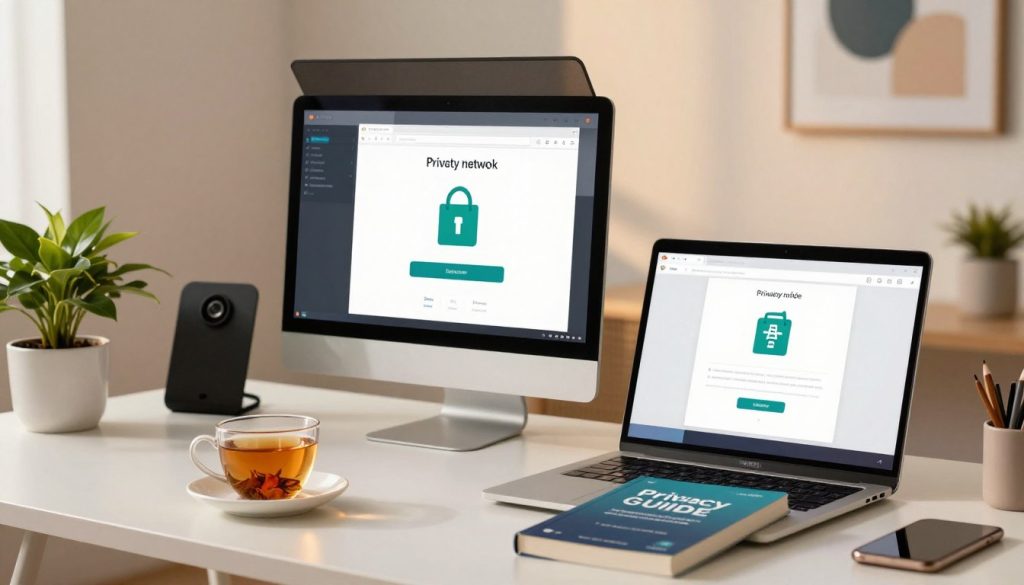
Your network environment is your first defense against tracking and data collection. By hiding your location and browsing habits, you leave less of a trace when using AI services. These privacy best practices help keep your connection safe from unwanted eyes.
Selecting a Reliable VPN for Secure Browsing
A Virtual Private Network (VPN) is key for hiding your IP address. When looking for expert vpn advice, choose paid, trusted services over free ones. Premium services usually don’t log your activity, keeping your data safe.
Why Free VPNs Often Compromise Privacy
Free VPNs often sell your data to make money. They might track your browsing and share it with advertisers. Free services can’t protect your anonymity well, as your data is still at risk.
Configuring Kill Switches and Encryption Protocols
After picking a secure VPN, set up your account to avoid data leaks. A kill switch cuts off your internet if the VPN drops. This keeps your real IP safe when the VPN connection fails.
Also, make sure your VPN uses strong encryption like OpenVPN or WireGuard. These protocols create a secure tunnel for your data. This makes it hard for others to see what you’re sending. Taking these steps is crucial for keeping your online privacy.
Implementing Strict Data Hygiene Protocols
Keeping your digital privacy safe is more than just using software. It’s about making daily habits a priority. By following privacy best practices, you can block trackers that watch your online moves. A regular routine of data hygiene helps keep your digital trail small, even when using AI tools.
Clearing Browser Cache and Cookies Regularly
Your browser stores small files called cookies that track your activity. These files help third-party services know your interests. Clearing your cache and cookies after each session stops this tracking.
Most browsers let you automate this cleaning through settings or extensions. By deleting these files, you start fresh. This simple step is key to data hygiene, stopping AI from linking your sessions.
Using Incognito Mode and Private Browsing Windows
Incognito mode creates a temporary space where your history and cookies aren’t saved. It doesn’t make you invisible to your internet service provider, but it’s great for keeping your machine clean. Using these windows helps keep AI-generated content out of your browser history.
It’s crucial to know private browsing has its limits. It doesn’t hide your IP address or stop websites from identifying you. But, it’s a top privacy best practice for quick, isolated tasks.
| Feature | Standard Browsing | Incognito Mode |
|---|---|---|
| History Saved | Yes | No |
| Cookies Retained | Yes | Cleared on Exit |
| Local Cache | Stored | Deleted |
| ISP Tracking | Active | Active |
Evaluating the Terms of Service and Privacy Policies
Before you agree, read the fine print of your AI tool. These documents are more than just formalities. They are a binding legal contract between you and the provider. Ignoring these policies can put your personal data and creative work at risk.
Privacy policies are made to protect the company, not you. Just because a platform is popular or free, it doesn’t mean it respects your privacy. Always check the specific language about how your data is handled and stored.
Identifying Red Flags in Data Usage Clauses
When reading a privacy policy, watch for clauses that give the company wide rights to your data. A big warning sign is language that lets the provider share your info with unspecified third-party partners. If a policy says your data can be used to “improve services” without letting you opt-out, your data might be used for public training models.
Be cautious of vague terms about how long data is kept. A secure platform will tell you how long they keep your data and when it’s deleted for good. If the policy doesn’t clearly state this, it’s a big risk to your online presence.
“The most dangerous phrase in the language is, ‘We’ve always done it this way.’ In the digital age, you must question every clause that claims ownership over your personal interactions.”
Understanding Who Owns the Generated Content
Many AI generators have clauses that claim commercial rights or ownership over what you create. This is common in free tools that use user data to improve their algorithms. You need to know if the platform gives you full copyright or keeps a perpetual, royalty-free license to your work.
The following table outlines common policy features you should investigate before committing to a platform:
| Policy Feature | Safe Practice | High-Risk Indicator |
|---|---|---|
| Data Usage | User data is anonymized | Data is sold to third parties |
| Content Ownership | User retains full copyright | Platform claims commercial rights |
| Model Training | Opt-out available | Mandatory inclusion in training |
| Data Deletion | Clear, defined timeline | Indefinite storage |
If a tool claims ownership of your output, it’s best to avoid it for sensitive or proprietary projects. Protecting your intellectual property is as crucial as keeping your personal identity safe. Always choose platforms with clear terms and control over your creative assets.
Step-by-Step Guide to Anonymizing Your Inputs
Learning to protect your data is key. When you use free AI tools, your input helps train the AI. By proactively scrubbing your inputs, you keep the tech useful without sharing your life.
“Privacy is not an option, and it should not be the price we pay for using technology.”
Drafting Prompts Without Sensitive Personal Details
First, figure out what personal info is sensitive. Remove names, exact addresses, and birth dates from your prompts. Even small details, like your job or employer, can reveal too much.
Before sending your prompt, check for any personal clues. If it’s about a personal issue, remove details that make it unique. Stick to the core problem or question.
Using Pseudonyms and Generic Descriptors
Use placeholders for subjects or scenarios in your prompts. Replace names with generic terms like “a colleague” or “a friend.” This keeps the AI’s output useful without revealing your identity.
Describe places or times broadly instead of specifically. Use general regions or climate types instead of cities. Replace exact dates with seasonal references or time frames. These generic descriptors help the AI understand your request without knowing your personal details.
Managing Your Digital Identity Across Platforms
Your online presence is made up of many data points. If you’re not careful, these can be linked together. When using AI generators, your sign-in info can connect your private and public lives. By compartmentalizing your digital identity, you stop companies from making a full profile of you.
“Privacy is not an option, and it should not be the price we pay for just accepting free services.”
Avoiding Social Media Logins for AI Tools
Many platforms offer a “Sign in with Google” or “Sign in with Facebook” button. This is convenient but also a direct pipeline for data sharing. Your profile info, contact lists, and browsing history are shared with the AI provider.
By not using these logins, you block cross-platform tracking that fuels ads. Manual registration is safer. It lets you control what data you share, not your whole social network.
Creating Dedicated Email Addresses for Generator Accounts
Using a dedicated email address for each new service is a great privacy move. You don’t need to use your main email for these tools. Consider a burner email or an alias service.
Tools like ProtonMail or SimpleLogin let you create unique addresses that forward to your main inbox. If an AI generator gets hacked or sends too much spam, you can delete that alias. This keeps your main identity isolated and secure from leaks or tracking.
Securing Your Device Against Malware and Tracking
You need to protect your device from harmful scripts and tracking. Many free tools seem safe but can secretly collect your data. Keeping your device clean is key to avoid sharing unwanted information.
Website logs can track your IP address, browser, ISP, and when you visited. This info might not directly identify you but can still be used. It’s important to limit what websites can see when you visit.
Utilizing Ad-Blockers and Script Blockers
Most tracking happens through hidden scripts on websites. Ad-blockers and script blockers can stop these scripts. They act as a shield, blocking trackers from recording your online activities.
“Security is not a product, but a process of constant vigilance and adaptation to new threats.”
These extensions help you browse safely. They block background processes that try to identify your device. This is crucial for keeping your data safe in today’s online world.
Scanning Generated Files for Hidden Metadata
Files from AI generators might have hidden data. This data can reveal your device, software, or location. Always check your downloads with a reliable security tool before opening.
Here are steps to protect your system:
- Use an updated antivirus program to scan every file you download.
- Check file properties to ensure no sensitive metadata is attached.
- Delete temporary files immediately after you have finished your task.
Always treat files as potential threats. Consistency is the key to keeping your digital life safe. Don’t assume a file is safe just because it’s from a well-known source.
Advanced Techniques for Maintaining Long-Term Privacy
Privacy is a journey, not a destination. As you grow, so does your need for better protection. Vpn advice from experts can fortify your defenses against trackers.

Rotating Your IP Address and Browser Fingerprint
Your IP address is like a digital address. It makes it easy for sites to track you. A top-notch VPN can change your IP often, breaking up your online trail. Always check if your VPN doesn’t log your activities.
Websites also track you through browser fingerprinting. They look at your screen, fonts, and hardware. Use special browsers that mix up these details. This makes you seem like a generic user, hiding your true identity.
“Privacy is not about hiding; it is about having the power to choose what you share with the world.”
Using Virtual Machines for High-Risk Activities
A virtual machine (VM) is a safe space on your computer. It keeps risky activities away from your main system. This way, your main system stays safe from threats.
Here’s why using a VM is better than regular browsing:
| Feature | Standard Browser | Virtual Machine |
|---|---|---|
| Isolation | Low | High |
| System Impact | Minimal | Moderate |
| Security Level | Basic | Advanced |
VMs need more setup, but they offer unmatched peace of mind. After you’re done, just delete the VM. This erases all your online tracks, keeping your privacy safe.
Conclusion
Your journey to safer AI interactions needs constant effort and focus. You now know how to use these tools safely, protecting your personal info.
By following these security tips, you make your online browsing safer. You reduce risks by keeping your data clean and your device settings secure. Modern tech is powerful, but your safety is most important.
Privacy is an ongoing battle, not just a one-time task. New threats pop up as tech advances, so stay up-to-date with security news. By sticking to these habits, you can enjoy new tech without losing your identity.
Start taking charge of your online world by checking your accounts and browser settings. Even small changes can make a big difference in your safety online. You have the power to create a safer digital future.
FAQ
How do free AI generators harvest my personal information without my knowledge?
Free tools often collect metadata from your uploads or prompts. This metadata can reveal your location, device info, and more. By gathering this data, they create detailed profiles to sell to advertisers. To protect yourself, remove metadata before uploading and be cautious with your online activities.
What specific VPN advice should I follow to ensure my browsing remains anonymous?
Always use a trusted VPN like NordVPN or Mullvad VPN when accessing AI platforms. These VPNs hide your IP and encrypt your data, stopping platforms from tracking you. This is key to keeping your online activities private.
What are the primary red flags to look for in an AI platform’s Terms of Service?
Watch out for clauses that give the platform permanent rights to your content. If the terms suggest they own your work, your privacy is at risk. Check if the provider has a history of sharing data with brokers before agreeing.
Why is it dangerous to use social media logins for AI generator accounts?
Using social media logins links your AI use to your real identity. This lets platforms track your activities across services, threatening your anonymity. Instead, use a dedicated, encrypted email for these tools.
How can I protect my device from malicious scripts and tracking while using free web tools?
Install browser extensions like uBlock Origin and Ghostery to block scripts. Also, scan files from AI generators with Bitdefender or Malwarebytes to avoid hidden threats.
What is the benefit of using Incognito mode or private browsing windows?
Private windows delete cookies and history when you close them. This stops AI tools from tracking you and limits long-term tracking cookies.
How can I further anonymize my prompts to prevent identity leaks?
When creating prompts, avoid personal details. Use generic terms and pseudonyms to achieve your goals without revealing your identity. This is a crucial privacy practice.