Lighting Presets Every Free-Lab Creator Should Save
Ever wondered why some digital projects shine while others don’t, even with top tools? The answer often lies in how light is used. Getting good at lighting is key for any serious creator wanting to be noticed.
By saving certain settings, your work stays smooth and looks the same every time. This guide is a must-read for anyone wanting to improve their skills. We’ll show you how to use ai porn lighting presets free to get pro-level results in your projects.
By saving these settings, you’ll spend less time tweaking and more time on your art. Being consistent is what makes a pro, and these tools are your starting point to success.
Key Takeaways
- Understand the importance of technical consistency in digital creation.
- Learn how to save time by utilizing pre-configured setups.
- Discover methods to achieve high-quality visual results effortlessly.
- Improve your overall workflow efficiency with smart storage habits.
- Master the fundamentals of professional-grade illumination techniques.
Understanding the Fundamentals of AI Lighting
Learning about light is key to making top-notch AI images. Knowing how photons work with surfaces lets you control your renders. Light is not just illumination; it is the primary tool for storytelling in digital art.
The Role of Light in AI-Generated Imagery
Light shapes the depth, texture, and mood of your scenes. By adjusting angles and brightness, you can highlight certain parts. Proper lighting turns a flat image into a lively scene.
Think about how shadows define your subjects. Soft light makes scenes feel welcoming, while harsh light adds drama. Learning these tricks helps you create images that connect with your audience.
How Lighting Presets Influence Mood and Realism
Keeping your style consistent is hard in AI labs. Using lighting presets free helps you keep your look the same. This makes your work look cohesive, no matter what you’re creating.
These presets are your starting point. They let you quickly change the mood from calm to intense. Efficiency is key when you want to try out different styles fast.
| Lighting Type | Primary Effect | Best Use Case |
|---|---|---|
| Softbox | Reduces harsh shadows | Portrait photography |
| Rim Lighting | Adds separation | Character silhouettes |
| Hard Key Light | High contrast | Dramatic, moody scenes |
| Ambient Fill | Softens overall tone | Ethereal environments |
Using these tools makes your work look professional faster. With top-notch lighting presets free, you focus on your art, not just the tech. This mix of skill and creativity is what makes your work stand out.
Essential Tools for Managing ai porn lighting presets free
A messy workspace can make you lose focus and waste time. Keeping your digital space clean lets your creativity shine. Managing your ai porn lighting presets free well is key to a professional look in your work.
Setting Up Your Workspace in Free-Lab
Make your Free-Lab workspace fit your creative needs. Clear out what you don’t need and keep your top tools close. Customizing your interface helps you work faster and better.
“Efficiency is doing things right; effectiveness is doing the right things.”
Have a special dock for your lighting tools. This way, you can change scenes quickly without slowing down. It’s great for trying out new lighting setups.
Organizing Your Preset Library for Quick Access
A good library needs a clear filing system. Like Mango Street Lab’s collections, organize your ai porn lighting presets free by style and use. Use folders like “Cinematic,” “Soft Glow,” or “High Contrast.”
Use a simple naming system to save time later. Include tags in your file names for easy searching. Consistency is the key to quality in your work.
Mastering Softbox Settings for Professional Results
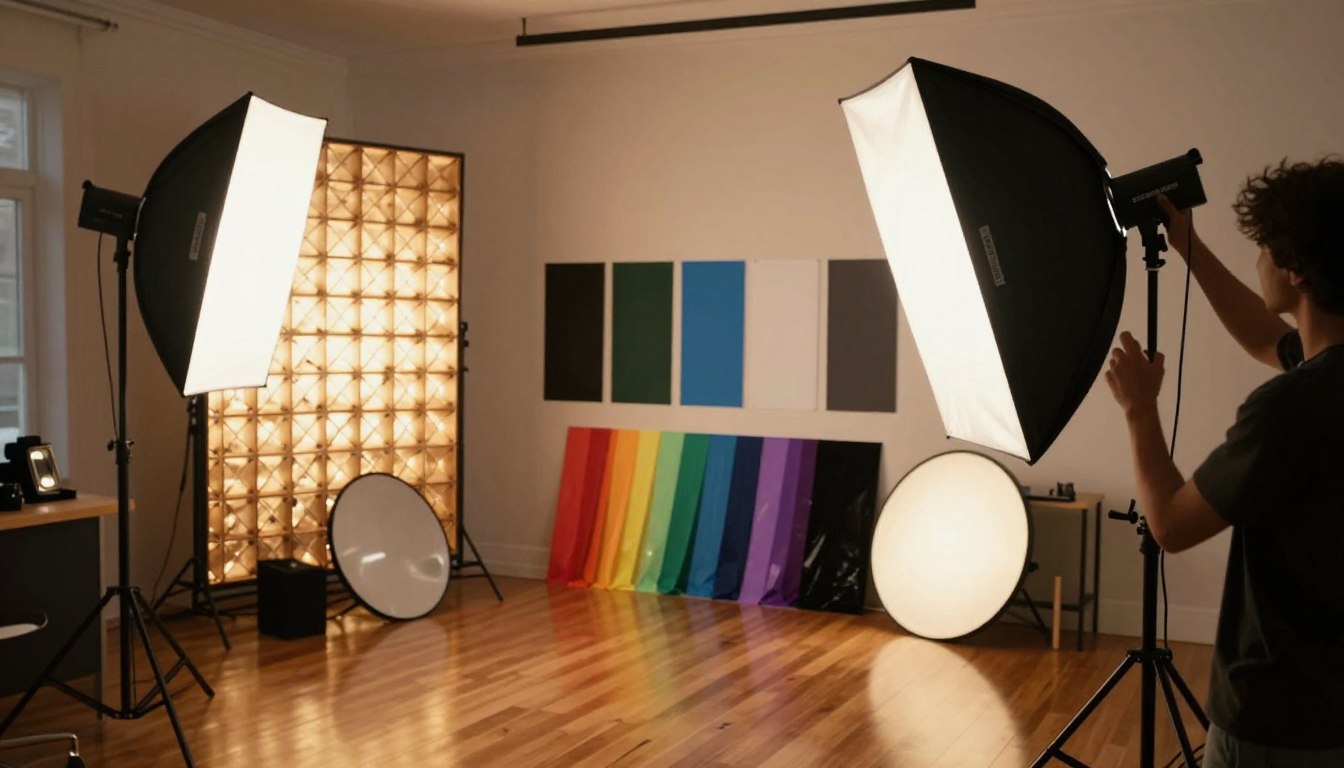
Getting a professional look in your digital work starts with your softbox settings. By controlling these settings, you go beyond basic images. You create ones with real depth and character. This is key for improving your visual skills.
Adjusting Diffusion and Intensity for Skin Texture
To keep natural skin texture, balance your diffusion levels well. High intensity can lose fine details, making images look fake. Lower intensity and more diffusion let light softly cover the subject.
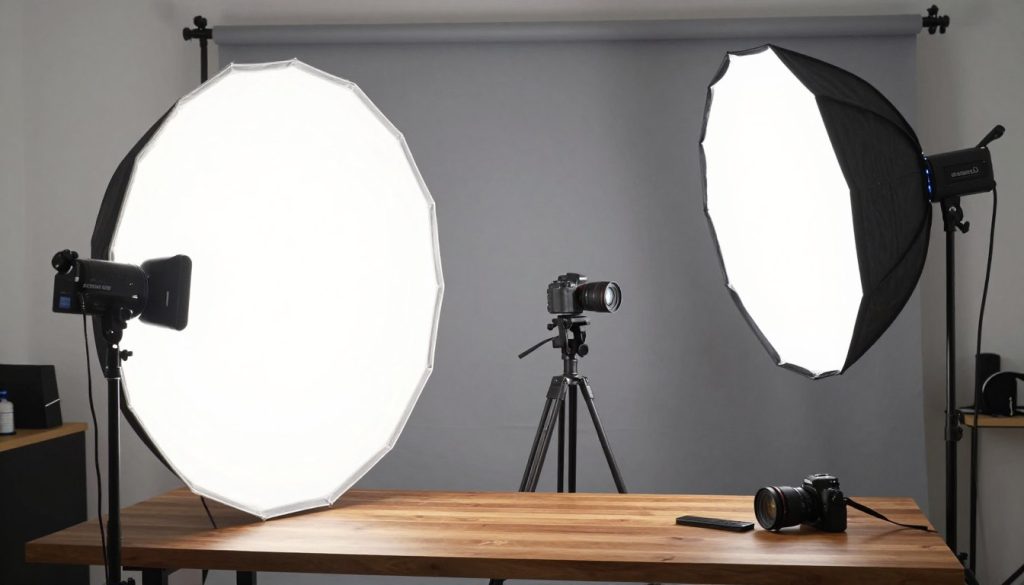
This method keeps pores and skin details clear, giving a realistic and high-end finish. Try different softbox settings to find the best light for your subject.
Balancing Softbox Placement to Avoid Harsh Shadows
Where you place your virtual lights is crucial for a good image. Too close or at an extreme angle can cause harsh shadows. Instead, aim for a soft, directional light like in real studios.
Adjusting the light’s distance or angle can soften shadows. This adds necessary depth to your work. With practice, you’ll avoid common lighting mistakes in your projects.
Utilizing RGB Gels to Enhance Visual Depth
Adding rgb gels to your lighting setup can make your AI-generated scenes pop. These tools let you tweak the color and mood of your scenes with ease. By using more than just white light, you give your work a unique look that stands out.
Selecting Color Palettes for Cinematic Atmosphere
Picking the right colors is key to setting the mood of your scene. You can change the feel from cold to warm by using different rgb gels on your lights. Try using colors that complement each other to add balance to your frame.
For a dramatic look, mix deep blues with bright oranges. This classic combo adds depth to your subjects. Playing with different color schemes helps you find a style that connects with your viewers.
Layering Multiple Light Sources with RGB Effects
Layering lights with rgb gels unlocks your lighting rig’s full potential. Use a cool-toned gel behind your subject and a warm one in front. This creates a multi-dimensional environment that pulls the viewer in.
With rgb gels, you can control every detail of your lighting. You can make certain textures or shapes stand out by adjusting each color’s intensity. This layered approach ensures your final product is rich and detailed, perfect for professional work.
Step-by-Step Guide to Creating Custom Lighting Presets
Creating your own lighting presets is the best way to keep your style consistent. While there are many lighting presets free online, making your own lets you achieve a unique look exactly. Learning these technical skills lets you control the mood of your digital art.
Defining Your Base Lighting Parameters
First, set up your core settings. Adjust exposure, contrast, and color temperature to see how light affects your subject. These settings are the foundation of every look you make.
Try different values to see how they change skin texture and depth. When you find a mix that fits your style, you’re ready for the next step. Being consistent is key for any professional.
“The secret to great imagery lies in the deliberate control of light, where every shadow and highlight serves a specific purpose in your narrative.”
Saving and Exporting Your Configurations
Once you’ve fine-tuned your settings, save them for later use. Keeping your presets organized is crucial, especially with over 500 lighting presets free like Adepermana’s. Organize your presets in a single folder to avoid clutter.
Exporting your presets ensures your work is safe and can be shared. A tidy library lets you quickly find and use your favorite lighting presets free. This method saves time and keeps your focus on creativity.
Applying Lighting Presets to Different Character Archetypes
Adjusting your lighting presets is key to enhancing each character archetype. A standard setup might work for one, but not another. By tweaking your settings, you control the look of your AI-generated images.
Adjusting Presets for High-Contrast Environments
For dramatic, high-contrast scenes, tweak your softbox settings for sharpness. Lower the diffusion to highlight light and shadow contrasts. This sharpens facial features and edges, making the scene cinematic.
Move your light source back to avoid wrap-around effects. Precision is key in high-contrast scenes. Make sure your lights are strong enough to create deep blacks without losing detail in highlights.
Optimizing Lighting for Soft and Ethereal Aesthetics
For soft, ethereal looks, use a gentle touch. Increase diffusion and move the light closer to the subject. This softens shadows and gives a dreamy glow to skin.
A larger light source wraps the light around the subject, creating a soft finish. Consistency in your diffusion keeps your portraits professional. Watch your output to avoid a flat or washed-out look.
| Archetype Style | Softbox Intensity | Diffusion Level | Shadow Quality |
|---|---|---|---|
| High-Contrast | High | Low | Sharp/Dramatic |
| Ethereal/Soft | Low/Medium | High | Soft/Diffused |
| Balanced/Neutral | Medium | Medium | Natural |
Troubleshooting Common Lighting Preset Issues
When your lighting presets don’t work right, knowing how to fix them is key. Even with the best ai porn lighting presets free, you might run into problems. Spotting these issues early helps keep your work top-notch.
Correcting Overexposure and Clipping
Overexposure happens when your preset’s intensity is too high. This causes clipping, where bright spots lose detail and look flat. To solve this, lower the global exposure or reduce light source intensity a bit.
If it still doesn’t work, check your diffusion settings. Harsh highlights can look like overexposure. Moving the light back or increasing diffusion can soften these areas and bring back detail.
Fixing Unnatural Color Casts in AI Generations
Unnatural color casts are a big problem with presets on different models. Experts like Chris Hau say wrong usage can make skin tones look off. This usually happens when the preset’s color doesn’t match the lighting environment.
To fix this, tweak the white balance and tint sliders. If skin looks green, adjust the tint to magenta. If it’s too warm, cool down the color temperature to get natural skin tones.
| Issue | Primary Cause | Quick Fix |
|---|---|---|
| Blown Highlights | High Intensity | Reduce Exposure |
| Green/Purple Skin | Tint Mismatch | Adjust Tint Slider |
| Flat Shadows | Low Contrast | Increase Black Levels |
| Preset Incompatibility | Version Conflict | Use ai porn lighting presets free |
Advanced Techniques for Dynamic Lighting Effects
To take your digital art to the next level, you need to go beyond basic lighting. Learning how light acts in real life can turn a simple image into a cinematic masterpiece. This means paying close attention to how light moves, scatters, and interacts with different surfaces.
Using rgb gels is a great way to add color shifts. They help you capture the way ambient light picks up colors from objects around it. This adds a realism that’s often missing in AI-generated images.
Simulating Natural Light Sources
Natural light is never the same. To make your scenes believable, you need to mimic how sunlight filters through windows or bounces off walls. This is done by layering different light sources to create the soft bounce of daylight.
Make sure your main light source has direction to set a focal point. Then, add softer, less intense secondary lights. This balance keeps your image from looking flat and adds depth to your scene.
Integrating Volumetric Lighting for Depth
Volumetric lighting brings a three-dimensional feel to your scenes. It creates the illusion of particles or haze in the air. This technique is key for adding depth and scale to your digital worlds.
Combining volumetric effects with rgb gels lets you create complex color shifts. This mimics real-world light interactions, making your scenes rich and immersive. Here’s a table to show how different lighting methods affect your work.
| Lighting Technique | Primary Benefit | Complexity Level |
|---|---|---|
| Natural Bounce | Increased Realism | Moderate |
| Volumetric Haze | Enhanced Depth | High |
| RGB Gels | Cinematic Mood | Low |
Best Practices for Sharing and Importing Presets
Learning to share and import lighting presets free can really boost your creativity. Sharing your work helps build a community where everyone can learn and grow together. By sharing, you get feedback and new ideas for your projects.
Verifying Preset Compatibility Across Versions
Before importing new presets, make sure they match your software version. Problems can happen when using presets from different platforms or older versions. For example, BeArt’s 20 lighting presets free work with Lightroom CC Classic, Lightroom Mobile, and Photoshop.
Always check the file type and the creator’s instructions. If a preset is for a newer version, it might not work with older software. Checking these details early saves time and avoids frustration.
Community Resources for Finding High-Quality Presets
Finding good sources for high-quality presets is key to keeping your work professional. Online forums and creative marketplaces have great lighting presets free that can improve your photos. Joining these communities lets you find unique styles you might not have thought of.
When looking for new presets, choose platforms with clear guides and reviews. These help you find the best tools that meet your standards. Here’s a table showing preset compatibility with popular software.
| Software Platform | Preset Format | Compatibility Level |
|---|---|---|
| Lightroom Classic | .xmp / .lrtemplate | High |
| Lightroom Mobile | .dng / .xmp | Medium |
| Adobe Photoshop | .xmp | High |
Conclusion
Learning to use lighting presets is a big step for Free-Lab creators. These tools make your work easier and help you grow as an artist.
You now have the skills to keep your work looking great. This means you can spend more time on the story and less on tweaking images.
True mastery comes from mixing technical skills with your own creative ideas. Try out different settings to find your unique style. This will make your work stand out.
Don’t stop exploring what your software can do. By improving your lighting skills, you’ll make every project better and more engaging.
FAQ
How can I efficiently manage my library of ai porn lighting presets free within the Free-Lab interface?
To keep your workspace organized, sort your lighting presets into folders. This makes finding your favorite looks quick. It lets you focus more on your Free-Lab projects.
What are the ideal softbox settings for achieving realistic skin textures?
For realistic skin, balance softbox diffusion and intensity. Adjust these to avoid harsh shadows. This keeps skin textures detailed and natural, not flat.
How do RGB gels contribute to a cinematic atmosphere in AI generations?
RGB gels add color layers to your light sources. This creates depth and mood. It’s key for a cinematic feel and emotional depth in your scenes.
What is the best way to create and save my own custom lighting configurations?
Start by setting your base parameters like exposure and color. Once you’ve got your style, save and export. This makes it easy to use across projects or share with others.
How do I fix common issues like overexposure or clipping caused by a preset?
Even top presets might need tweaking. For overexposure, adjust exposure levels. For color issues, fine-tune the balance. This keeps skin tones natural.
How can I ensure that the lighting presets free I download are compatible with my current software version?
Always check file compatibility before using new presets. Look for info on GitHub or Discord. This ensures your presets work with your software without problems.