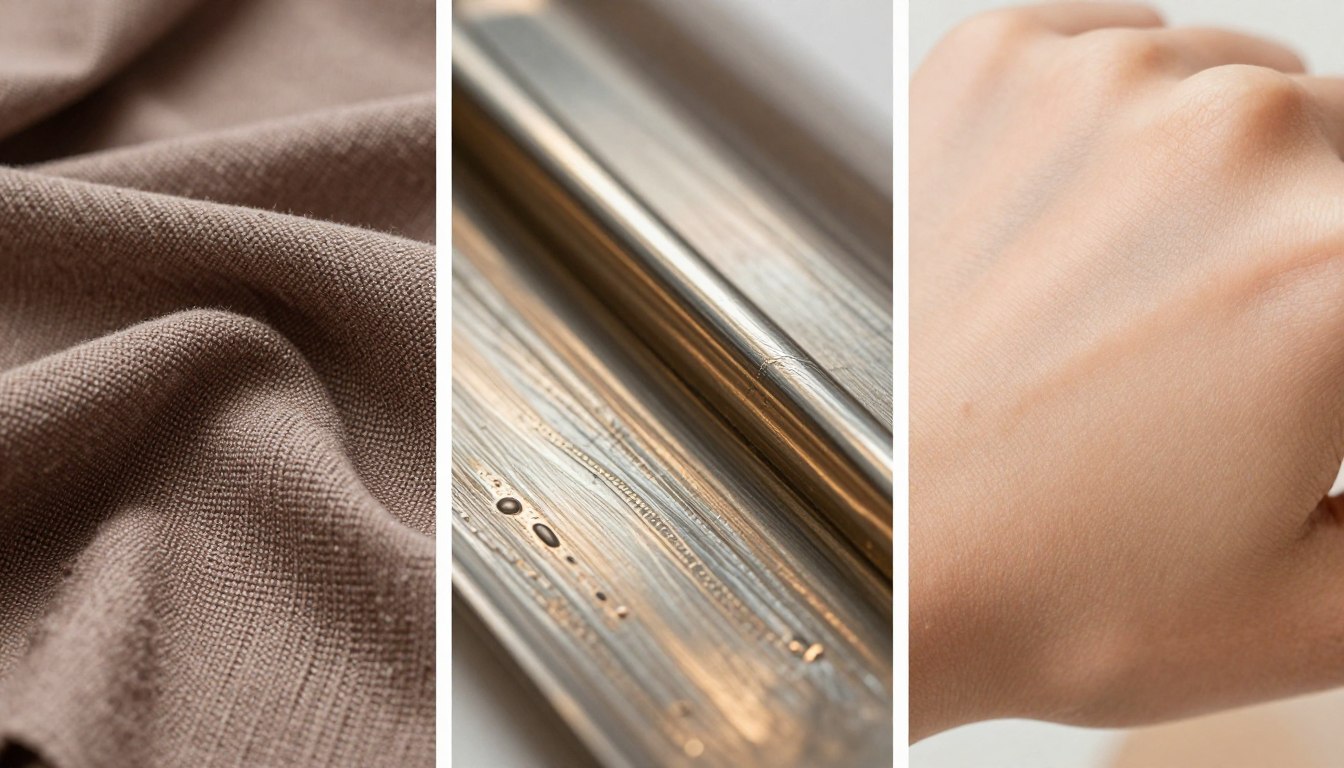
Texture Detailing Hacks for Fabric, Metal & Skin
Ever wondered why your digital projects seem flat or lifeless? It might be because of how you handle surface details. If you mess up, you could ruin the quality of fabrics, furniture, and even human skin.
Maintaining high standards is key for top-notch results. If you don’t protect your files, you might lose the details that make things look real. Understanding these risks helps you keep your work safe and avoid damage to your digital assets.
Key Takeaways
- Surface integrity is vital for maintaining high-quality digital results.
- Improper processing can permanently degrade fabric and skin visuals.
- Protecting your assets prevents unnecessary damage during editing.
- A foundational mindset helps you achieve professional-grade outcomes.
- Small adjustments in your workflow lead to significant improvements in realism.
Mastering the Fundamentals of AI Texture Generation
Starting your journey in AI texture generation means understanding how AI creates images from math. Many creators face blurry or uneven results because they miss the basic steps. Learning these basics helps you achieve top-notch texture detailing free from common problems.
Understanding Latent Space and Texture Resolution
The latent space is at the core of AI image creation. It’s like a huge library of patterns, colors, and shapes. When you ask for a texture, the AI uses this space to create your image.
Resolution isn’t just about pixel count. It’s about how well the model understands your surface’s density. If the latent space isn’t well-trained for your material, your image might look dull. Mastering the relationship between these mathematical coordinates and your final image is crucial for clear, realistic textures.
The Role of Prompt Engineering in Surface Detail
Prompt engineering is your main tool for guiding the AI. Using clear, detailed language helps the model focus on small details like grain and light reflection. This approach lets you do high-quality texture detailing free without the usual low-effort prompts.
Choose keywords that describe your surface’s physical properties, like “anisotropic” or “micro-wrinkles.” Refining your vocabulary helps the model tell apart similar materials. This ensures your fabric looks woven, not painted. Regular practice with these tags will greatly improve your generated assets’ quality.
Essential Tools for ai porn texture detailing free
Today’s workflows need strong AI tools to go from basic to super-realistic textures. To get pro results, knowing the software world is key. Many artists look for ai porn texture detailing free options to improve their work without losing quality.
Leveraging Stable Diffusion for High-Fidelity Textures
Stable Diffusion is top for making detailed, high-res textures. It uses custom checkpoints and LoRAs for detailed surface work. This makes it a favorite for ai porn texture detailing free needs.
“The power of generative AI lies in its ability to interpret subtle surface nuances, turning flat planes into rich, tactile experiences.”
For the best results, focus on these key parts of your workflow:
- Custom Checkpoints: Pick models trained on skin, fabric, or metal.
- VAE Files: Use the right Variational Autoencoder for color and sharpness.
- Upscalers: Tools like ESRGAN refine details after generation.
Utilizing ControlNet for Surface Mapping
ControlNet makes sure your texture fits your 3D model perfectly. It maps complex patterns with great detail. Learning this is crucial for ai porn texture detailing free success.
Using depth and normal maps helps the AI follow your mesh’s shape. This avoids texture stretching or misalignment. Consistent surface mapping makes textures look like they’re part of the model, not just on top.
Step-by-Step Guide to Fabric Texture Realism
To make digital fabrics look real, start by understanding weave patterns. Change the geometry to make surfaces react to light and shadow. This needs skill in micro detail to match real materials.
Simulating Weave Patterns and Thread Density
First, define the fabric’s weave structure. Whether it’s tight denim or loose linen, thread density affects how it catches light. Adjust normal maps to show the warp and weft threads’ intersection.
| Fabric Type | Weave Pattern | Thread Density | Reflectivity |
|---|---|---|---|
| Denim | Twill | High | Low |
| Silk | Satin | Very High | High |
| Canvas | Plain | Medium | Matte |
Adding Micro-Detail to Natural and Synthetic Fibers
After setting the base structure, add subtle imperfections for realism. Natural fibers like cotton have small hairs, while synthetic ones like polyester are smoother but shiny. Use micro detail through noise maps to add texture.
Layer high-frequency displacement maps over your texture to add depth. This makes your fabric look real, not flat. It also responds well to lighting.
Techniques for Frayed Edges and Wear
Fabrics in real life are never perfect. To look professional, show wear and tear. Frayed edges and worn spots add history to your digital assets.
“The beauty of a textile lies in its imperfections; a perfectly clean fabric often feels artificial and lifeless in a 3D environment.”
Focus on stress areas like cuffs and knees. Use masks to reduce micro detail in these spots. This strategic weathering makes your fabric textures believable.
Advanced Metal Surface Detailing Hacks
To make metal look real in your projects, you need to balance reflection, wear, and depth. Moving past basic shaders lets you see how light interacts with tiny surface imperfections. This focus on details can turn flat objects into believable metallic ones.
Creating Realistic Metallic Reflections and Anisotropy
Metal surfaces reflect light well and scatter it in unique ways. To get a pro look, mastering anisotropy is key. Anisotropy makes light stretch on brushed metal or carbon fiber, thanks to tiny grooves.
Use an anisotropy map in your shader settings to control this effect. This map tells the engine how to orient light reflections. Precision is key to make the metal look real from all angles.
Simulating Scratches, Oxidation, and Patina
Clean metal looks fake and boring. Adding scratches, oxidation, and patina makes it interesting. These signs tell a story about the object’s past and where it’s been.
- Scratches: Use high-frequency noise maps for fine abrasions.
- Oxidation: Color variations and desaturation mimic rust or chemical reactions.
- Patina: Subtle grime in crevices simulates dust and time.
Layering Roughness Maps for Depth
Depth comes from layering roughness maps. Instead of one texture, use many for a complex surface. A base layer sets the finish, while secondary layers add details like fingerprints.
This method makes light hit the object in different ways. Stacking maps creates a dynamic surface that looks real under changing light. Here’s a table for setting up materials for different metals:
| Metal Type | Roughness Range | Anisotropy Level |
|---|---|---|
| Polished Chrome | 0.01 – 0.05 | None |
| Brushed Aluminum | 0.20 – 0.40 | High |
| Weathered Iron | 0.60 – 0.85 | Low |
Achieving Photorealistic Skin Texture
To make digital skin look real, you need to understand how light works with human skin. It’s not just about making it look good; it’s about adding organic complexity. By focusing on micro detail, you can make your digital model look alive.
Capturing Pores, Blemishes, and Subsurface Scattering
Real skin is never perfect. Adding pores and blemishes makes it look more real. These small details add visual noise that makes your character feel real.
Subsurface scattering is also key. It’s how light goes through the skin and scatters. This effect is crucial for a soft, natural look, especially around the ears and nostrils. Without it, your model might look fake, no matter how much micro detail you add.
Refining Skin Tone Variations and Micro-Wrinkles
Skin color is never just one color. Mix different shades of red, yellow, and blue to show the skin’s structure. Adding micro-wrinkles around the eyes and mouth makes your character look more real and unique.
“The beauty of a digital portrait is found in the imperfections that tell a story of life and experience.”
Balancing Smoothness with Natural Imperfections
The key is to avoid the “uncanny valley” by mixing smoothness with imperfections. Too much processing can make skin look unnatural. But too little micro detail can make it look dirty or old.
| Detail Type | Visual Impact | Implementation Method |
|---|---|---|
| Pores | High | Normal Map Layering |
| Micro-Wrinkles | Medium | Displacement Maps |
| Blemishes | Low | Albedo/Color Maps |
| Subsurface | Critical | Shader Scattering Settings |
Always check your work under different lights. This ensures your micro detail looks good in all conditions. A balanced approach makes your character believable and engaging.
Optimizing Shader Tweaks for Enhanced Realism
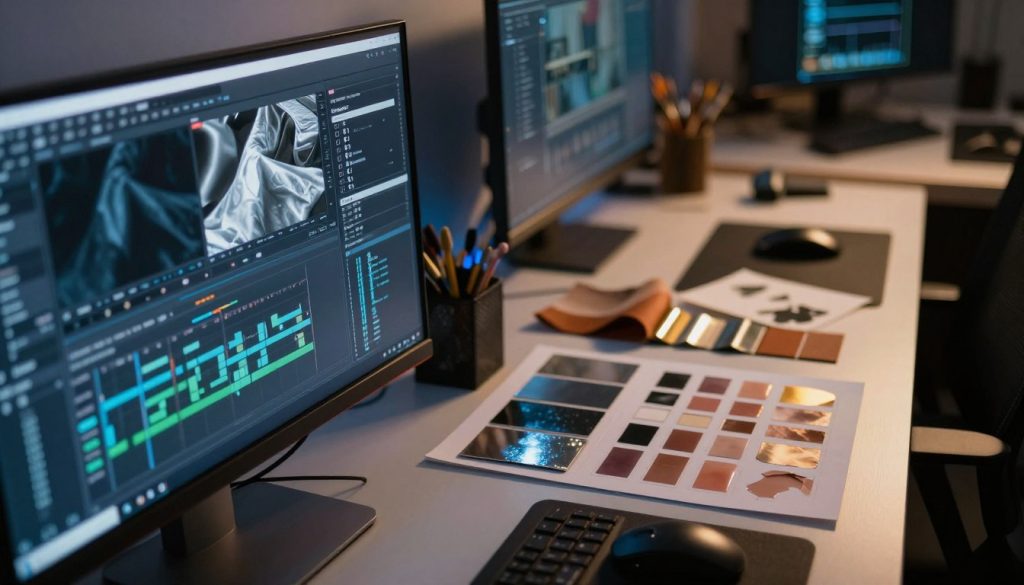
To make AI-generated images look real, focus on shader tweaks. Your initial image sets the color and pattern. The shader makes the surface act like it’s in a virtual world. Tweaking these settings turns a simple image into a detailed 3D model.
Adjusting Normal Maps for Surface Depth
Normal maps add depth to images without extra polygons. They tell the engine how light interacts with surface details. If the depth seems too flat, up the normal map’s intensity to make textures feel real.
Here are tips for better results:
- Invert the green channel if your surface looks too deep.
- Choose a mid-range intensity to avoid odd effects on flat areas.
- Blend your normal map with a height map for more perceived depth.
Fine-Tuning Specular Highlights and Glossiness
Specular and glossiness values control how materials reflect light. These shader tweaks help make surfaces look wet, dry, shiny, or dull. Adjust your specular map so highlights only show where they should on real objects.
Right glossiness makes textures look natural, not plastic. A high-contrast gloss map can show wear like fingerprints or moisture. Always check your materials under different lights to keep the specular response believable.
Workflow Integration for Professional Results
Getting professional results is all about mixing automated work with a human touch. AI tools give you a great start, but the last touches make all the difference. You can find many texture detailing free resources online. But, the real magic happens when you blend these assets into your workflow.
Combining AI Generations with Manual Post-Processing
After creating a texture, always check it by hand. AI can sometimes miss small errors like tiling issues. Use tools like Adobe Photoshop or GIMP to fix these problems and get a seamless finish.
Manual tweaking lets you fine-tune colors and contrast. This way, you can add your personal touch to the texture. Even with texture detailing free assets, this mix ensures your work stands out.
Upscaling Techniques for Texture Preservation
Upscaling is key to keeping textures clear at high resolutions. Simple resizing can make them blurry. Use AI upscalers that keep details sharp while increasing the texture size.
These tools use smart algorithms to bring back small details lost in enlargement. By picking the right upscaler, you avoid unwanted changes in your texture detailing free assets. Here’s a table showing how different methods handle upscaling.
| Method | Detail Retention | Processing Speed | Best Use Case |
|---|---|---|---|
| Bicubic Interpolation | Low | Very Fast | Drafts |
| AI Neural Upscaling | High | Moderate | Final Assets |
| Vectorization | Medium | Slow | Graphic Design |
| Super-Resolution | Very High | Slow | Cinematic Textures |
Common Pitfalls in Texture Generation and How to Avoid Them
Staying away from common mistakes can make your 3D projects look top-notch. Even with the latest AI tools, you might hit technical roadblocks. Spotting these problems early can save you a lot of time and effort.
Correcting Artifacts and Texture Stretching
Texture stretching happens when UV mapping and images don’t match up right. If your patterns look stretched or wrong, check your UV unwrapping settings. AI textures might not tile seamlessly, causing visible seams on your model.
To fix these issues, use special software to bake textures onto your mesh better. Always make sure your tiling works right in your shader nodes. If your output has noise, try using a denoiser or tweak your prompt for clearer textures.
Managing Lighting Consistency Across Surfaces
Keeping lighting even across different objects is a big challenge in digital art. If textures have shadows that don’t fit your scene, your final image will look off. Try to make neutral, flat-lit textures to control shading better.
Here are some tips for consistent lighting:
- Use HDRIs to match your scene’s ambient light with texture reflections.
- Apply the same color grading to all materials to avoid color changes.
- Employ light probes to adjust your specular highlights based on your environment.
- Steer clear of textures with strong, directional highlights that clash with your main light.
Following a strict workflow helps ensure surfaces react to light in a consistent way. Consistency is the key to a realistic look. When your textures match your lighting perfectly, your work will look more polished and professional.
Advanced Prompting Strategies for Micro Detail
To create detailed digital surfaces, you need more than basic tools. You must have precise control over your AI generation. For professional-grade results, how you input your commands is key. Refining your prompts can reveal a level of micro detail that standard prompts often miss.
Using Negative Prompts to Clean Up Texture Noise
Negative prompts help remove unwanted artifacts that can ruin your image. If you’re looking for ai porn texture detailing free solutions, you might see grainy or blurry surfaces. List terms like “noise,” “blur,” “low resolution,” and “pixelated” in your negative prompt field.
This method forces the model to ignore common errors. It ensures that fine textures stay sharp and clear. Advanced users who focus on quality over speed use this technique consistently.
Weighting Keywords for Specific Surface Characteristics
Weighting lets you tell the AI which parts of your prompt to focus on. Use syntax like (keyword:1.5) to highlight specific traits. For example, to emphasize wood grain or fabric weave, increase the weight of those terms for better micro detail.
Try different weights to find the right balance for your project. Whether you’re using paid software or ai porn texture detailing free tools, these adjustments are crucial for high-end digital art. The table below shows how different weighting strategies affect your texture output.
| Strategy | Primary Benefit | Recommended Weight |
|---|---|---|
| Surface Grain | Enhances natural texture depth | 1.2 – 1.4 |
| Micro Detail | Sharpens small-scale features | 1.5 – 1.8 |
| Negative Noise | Removes unwanted artifacts | -1.0 (Fixed) |
| Lighting Contrast | Defines specular highlights | 1.1 – 1.3 |
Hardware and Software Requirements for High-End Detailing
Your hardware setup is key for every high-fidelity render you make. Complex surface maps can be a challenge. But with the right workstation setup, your work flows smoothly.
Optimizing VRAM Usage for Large Texture Sets
Big textures use a lot of video memory. This can cause system crashes if not managed right. Keeping an eye on VRAM usage is crucial. Efficient memory management lets you work with bigger files without losing quality.
Here are some tips to keep your system stable:
- Use tiled rendering to split big textures into smaller parts.
- Enable half-precision floating-point operations to save memory on shader tweaks.
- Close apps that use the GPU when you’re doing intense work.
Recommended Extensions for Enhanced Detail Control
Software extensions give you the fine control needed for top-notch textures. They let you tweak surface details with precision. The right plugins can greatly boost your work’s quality.
Look for extensions that work well with your main rendering engine. These tools often have shader tweaks not found in basic software. They help you enhance surface depth and highlights easily.
“The right software environment transforms technical constraints into creative opportunities, allowing for unparalleled detail in every pixel.”
Keep your software up to date for the best performance. A well-kept system ensures consistent, high-quality results in your texture projects.
Conclusion
Learning to master surface details can turn your digital work into something truly immersive. You now know how to work with fabric, metal, and skin textures with great detail. Tools like Stable Diffusion make this easier.
True skill lies in knowing when to let the tools do the work and when to add your own touch. Keep trying new things in your workflow. Each project is a chance to get better at noticing tiny details.
Your own style will start to show as you mix these advanced techniques with your own creativity. Keep looking for new ways to use technology and design. Share your work with others to get feedback and inspire them.
FAQ
How can you prevent surface degradation when processing digital textures?
To keep surfaces looking good, use high-resolution settings in tools like Stable Diffusion. Avoid over-processing to prevent “mushing” of the grain. Professional workflows that respect surface depth help keep the quality of fabrics, furniture, and skin high.
Where can you find resources for texture detailing free of charge?
For texture detailing free, check out open-source communities and sites like Civitai or GitHub. Using community-driven LoRA models and Stable Diffusion extensions can enhance your assets without the cost of some software.
What is the best way to achieve photorealistic micro detail in skin textures?
For real micro detail, mix subsurface scattering with detailed pore mapping. Focus on small blemishes and wrinkles that look like real skin. ControlNet helps map these details accurately to your 3D model or AI character.
Which shader tweaks are most effective for enhancing metallic realism?
For better metallic looks, tweak anisotropy and layer roughness maps. Adjusting these settings makes metal surfaces look more realistic. Adding layers for scratches, oxidation, and patina adds a weathered look.
How do you handle the technical challenges of rendering brushed metal and carbon fiber?
Rendering these materials needs specific settings for realistic reflections. Use specular highlights and glossiness to show how light interacts with the grain. This creates a sense of materiality that’s key for digital art.
How does prompt engineering affect the density of fabric weave patterns?
Your prompt engineering affects how AI shows thread density and weave patterns. Use keywords like “heavyweight denim” or “fine silk” to guide the AI. This ensures the micro-detail of fibers looks consistent.
Why is ControlNet essential for professional-grade surface mapping?
ControlNet is crucial for keeping textures like fabric folds or metallic rivets in place. It ensures these details stay aligned with the geometry, preventing “texture swimming” or stretching.
How can you manage hardware limitations when working with large texture sets?
Optimizing VRAM is key when working with detailed textures. Use NVIDIA RTX features like xformers and tiled VAE decoding. This helps generate and refine large texture sets without crashing your system, making it easier to work with Adobe Substance 3D.