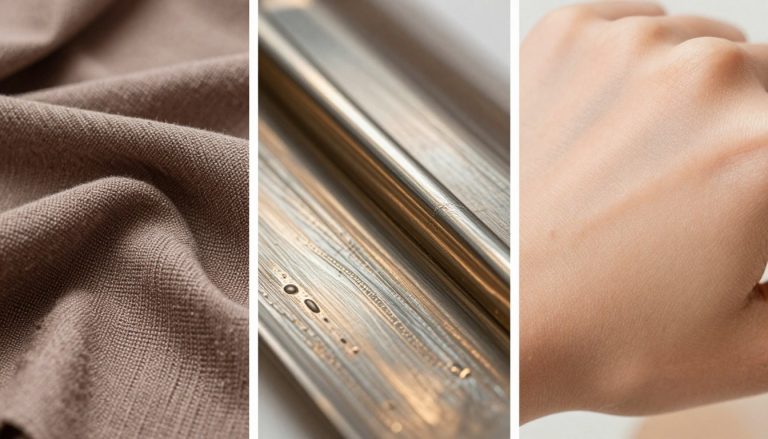
Leveraging SDXL Adult Weights for Hyper-Authentic Skin Tones
Ever wondered why AI portraits look like smooth plastic, not real skin? Getting photorealistic textures is more than just a good model. It’s about knowing how your software uses data.
With sdxl adult weights, you can make digital art look like real photos. These tweaks help you control the model’s output. This way, your portraits show the real imperfections of human skin.
Precision is the key to avoiding AI mistakes that mess up your art. Using the right sdxl adult weights lets you control the look of skin. This guide will show you how to improve your work and get top-notch images every time.
Key Takeaways
- Understand the role of structured keyword lists in achieving photorealism.
- Learn how to manipulate latent space for superior skin texture.
- Discover why specific model configurations prevent common AI artifacts.
- Master the technical application of prompt modifiers for better results.
- Improve your overall workflow to maintain high photographic standards.
Understanding the Role of SDXL Adult Weights in Skin Fidelity
Learning how to adjust weights can change your digital portraits. It’s not just about the prompt; it’s about how the model uses the data. Mastering these adjustments lets you control the look of your images.
The Science of Skin Texture and Color Representation
Human skin is complex, with tiny pores and color changes. When making images, the model must capture these details to avoid looking fake. Subsurface scattering is key, where light goes through the skin and bounces back, creating a natural glow.
Using sdxl adult weights helps the model focus on these natural textures. This makes the skin look real, not painted. This scientific method brings more realism to your work.
Why Standard Models Often Fail at Skin Realism
Standard AI models often miss the mark on skin because they focus on general shapes. Without specific guidance, they default to a “waxy” look. This is because they don’t get enough training on skin details like pores and lines.
| Feature | Standard Model | Weighted SDXL Model |
|---|---|---|
| Skin Texture | Smooth/Waxy | Porous/Natural |
| Color Depth | Uniform/Flat | Varied/Rich |
| Light Interaction | Surface Reflection | Subsurface Scattering |
Defining Adult Weights and Their Impact on Latent Space
Using sdxl adult weights guides the model to create more mature and detailed images. Models like Juggernaut XL and RealVisXL respond well to these weights. They help focus on specific skin details.
These weights make the model spend more time on skin details. This improves skin fidelity by avoiding over-smoothing. Your images will become more detailed and lifelike as you adjust these settings.
Preparing Your Environment for High-Fidelity Generation
Before you can master complex weight adjustments, you must ensure your local environment is primed for high-fidelity output. Achieving skin fidelity requires more than just a powerful GPU; it demands a clean, well-configured software stack. By organizing your workspace, you create a stable foundation for every generation task.
Selecting the Right Base Models and Checkpoints
The foundation of your workflow rests on choosing the correct SDXL base models. Not all checkpoints are created equal when it comes to rendering human features. You should prioritize models specifically fine-tuned for photorealism to ensure the best results.
Consistency is key when testing different checkpoints. Keep a log of which models handle skin textures with the most natural depth. This practice helps you identify which files provide the most reliable starting point for your creative projects.
| Model Type | Skin Texture Detail | Color Accuracy |
|---|---|---|
| Standard SDXL | Moderate | Baseline |
| Photorealism Fine-tune | High | Excellent |
| Artistic/Stylized | Low | Variable |
Configuring VAE Settings for Accurate Color Science
Proper color science is often overlooked, yet it remains the most vital component for achieving lifelike skin tones. If your VAE settings are incorrect, your images may appear washed out or suffer from unnatural color casts. Always ensure your VAE is compatible with your chosen checkpoint to maintain tonal integrity.
“Technical precision in the latent space is the silent partner of artistic vision; without it, even the best prompts will fail to capture the nuance of human skin.”
Adjusting these settings allows you to control how the model interprets light and shadow. When the VAE is calibrated correctly, the transition between highlights and mid-tones becomes significantly smoother. This results in a more organic look that avoids the common pitfalls of digital artifacts.
Essential Extensions for Weight Manipulation
To gain full control over your output, you need the right tools for weight manipulation. Extensions like ControlNet or specialized LoRA loaders provide the precision required to fine-tune specific dermal details. These tools allow you to influence the generation process without compromising the overall composition.
By integrating these extensions, you can isolate specific areas of the image for refinement. This modular approach ensures that your workflow remains flexible and efficient. Mastering these tools will ultimately give you the power to produce professional-grade portraits with ease.
Step-by-Step Guide to Applying Adult Weights
Learning to use sdxl adult weights is key to getting realistic skin in AI portraits. A structured workflow helps your model capture skin details accurately. This way, your portraits won’t look too smooth or generic.

Loading Your Chosen Model and Weight Files
Start by picking a base checkpoint that works well with high-resolution images. Then, get your sdxl adult weights ready in the right folder in your software.
Make sure your model and weights match your software’s version. The right files help your software show realistic skin and colors.
Adjusting Weight Sliders for Optimal Skin Texture
Once everything is loaded, tweak your settings for the perfect detail. A CFG scale of 6–9 is good for most SDXL models. It lets you control detail without losing creativity.
Change your sliders slowly to find the right balance. If skin looks too flat, add a bit more weight. If it gets too noisy, reduce it for a natural look.
Balancing Weight Intensity to Avoid Artifacts
It’s important to balance your sdxl adult weights to avoid fake skin. Too much weight can make skin look unnatural. This is because the model starts to make up its own skin patterns.
“True realism in AI generation is found in the subtle imperfections of the skin, not in the perfection of the surface.”
Here’s a table to help you adjust weights and see how it affects your portraits:
| Weight Setting | Skin Texture | Risk Level | Recommended Use |
|---|---|---|---|
| Low (0.2 – 0.4) | Soft/Smooth | Minimal | Beauty Portraits |
| Medium (0.5 – 0.7) | Natural/Detailed | Moderate | Standard Photography |
| High (0.8 – 1.0) | Hyper-Textured | High | Macro/Close-up Shots |
By balancing your sdxl adult weights, your portraits will look more human. Always test your settings to make sure they work well under different lights.
Advanced Prompt Engineering for Skin Authenticity
Improving your prompts is key to making renders look real. By choosing the right words, you guide the model to focus on anatomical accuracy and fine details. This turns simple images into detailed portraits that look like real people.
Utilizing Descriptive Keywords for Dermal Detail
To get hyper-authentic results, use specific terms from anatomy and photography. Words like “pores,” “fine lines,” and “dermal texture” help the model avoid smooth, fake surfaces. Adding camera terms like “macro photography” or “85mm lens” makes the AI pay attention to the face’s small details.
Try using terms like “translucent,” “matte,” or “natural skin oils” to describe the skin. These words help the model understand that skin is complex. By mixing these keywords, you create a richer latent representation of human skin.
Managing Lighting Conditions to Enhance Skin Depth
Lighting is crucial for making a 2D image look 3D. Using terms like “cinematic lighting” or “rim lighting” helps create shadows that show the face’s shape. These shadows are key for making the portrait feel real.
Use terms like “softbox lighting” or “golden hour glow” to control how light affects the skin. Good lighting stops the subject from looking flat. It adds depth that’s essential for professional-quality images.
Incorporating Negative Prompts to Prevent Plastic-Like Finishes
Negative prompts are just as vital as positive ones for realism. To avoid a fake look, tell the model what not to do. Phrases like “oversmoothed,” “airbrushed,” and “plastic skin” help clean up the image.
By removing unwanted traits, you let the model focus on natural imperfections. This ensures your portraits are authentic. The table below shows how different prompts affect your skin quality.
| Prompt Strategy | Primary Benefit | Recommended Keywords |
|---|---|---|
| Anatomical Detail | Increases surface realism | Pores, fine lines, skin texture |
| Lighting Control | Adds depth and volume | Rim light, soft shadows, cinematic |
| Negative Filtering | Removes synthetic artifacts | Plastic, smooth, airbrushed |
Refining Skin Tones Through Color Science Principles
To achieve skin fidelity, you need to understand color science deeply. This goes beyond just making images. It’s about how light interacts with skin in complex ways. By learning these principles, you can turn digital images into vibrant, lifelike ones.
Understanding Subsurface Scattering in AI Generation
Subsurface scattering is key for realistic skin. It shows how light goes through the skin and scatters before coming out.
Without it, skin looks too perfect or plastic. By simulating light through the skin, you add a soft, luminous quality. This is crucial for lifelike portraits.
Correcting Color Casts with Targeted Weight Adjustments
Even top models can have color casts that mess up skin fidelity. These casts happen when the model is pushed too far.
Fixing this is easy with targeted weight adjustments. By tweaking color tokens, you can remove unnatural colors. This color science keeps your skin tones balanced and true under different lights.
Achieving Natural Skin Variations and Imperfections
Perfect skin is rare in nature, which can make images feel off. To get authentic results, you need to include the unique variations of human skin.
Use prompts for freckles, pores, or color changes to add depth. These imperfections make your work look more real. Remember, color science is about capturing the natural complexity of human faces.
Troubleshooting Common Issues with Skin Generation
Getting perfect skin fidelity can be tricky. Newer models like Flux.1 do great with anatomy. But SDXL is still top-notch for detailed surface qualities. If your results aren’t up to par, making a few adjustments can help.
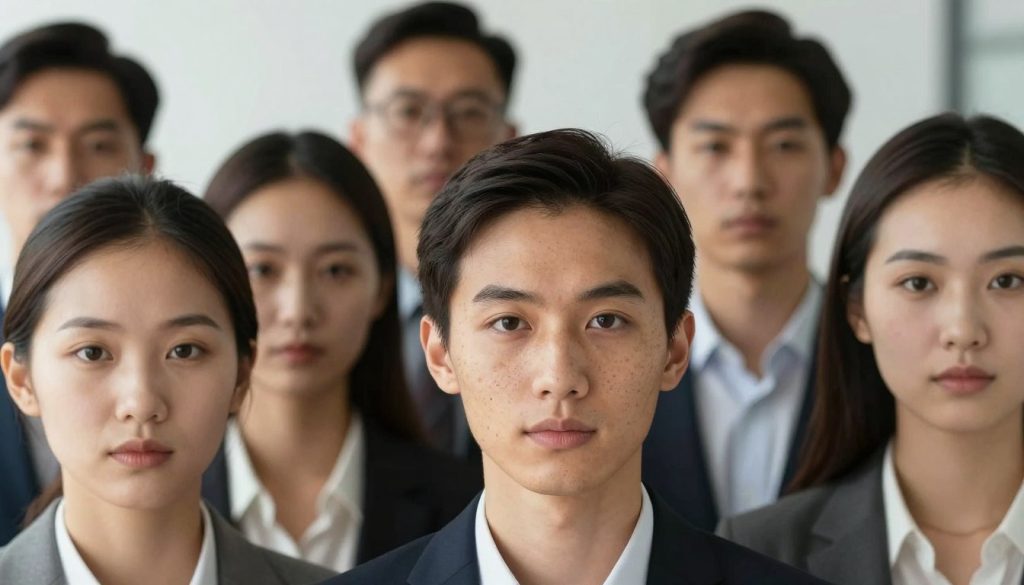
Fixing Over-Smoothed or Waxy Skin Textures
Images that look like plastic or lack pores are often over-smoothed. To fix this, reduce the weight of your skin-enhancing LoRAs or checkpoints. This lets more natural noise stay. Also, slightly increasing denoising strength can bring back fine details lost in the first pass.
Resolving Unnatural Color Shifts in Shadows
Color shifts in shadows can happen when VAE settings don’t match your model’s color space. Make sure your VAE settings are right for your model. If shadows seem too green or purple, try adding lighting details like “warm ambient light” or “neutral shadow tones” to your prompt.
Managing High-Contrast Lighting and Skin Highlights
High-contrast lighting can make skin highlights look flat and white. To keep skin fidelity, use negative prompts to avoid “overexposed” or “harsh lighting.” Also, lower the contrast in your sampler to keep the natural skin gradients.
| Issue | Primary Cause | Recommended Fix |
|---|---|---|
| Waxy Texture | Excessive Smoothing | Lower LoRA Weight |
| Color Shifts | VAE Mismatch | Update VAE File |
| Blown Highlights | High Contrast | Adjust Sampler |
| Flat Skin | Low Detail Prompt | Add Texture Keywords |
By tweaking these settings, your skin fidelity will improve across all projects. Small changes can lead to big improvements over time.
Optimizing Workflows for Consistent Results
Working with latent diffusion models can be tough, but you can get better with planning. Set up a clear workspace to keep your work looking good and consistent. Using color science in all your projects will make your skin tones look even better.
Creating Presets for Different Skin Tones
Start by saving your best settings as presets. This makes it easy to switch between different skin tones without starting over. Efficiency is key when you’re working on many designs or portraits.
When making presets, focus on the color science that defines skin depth and undertones. Group your settings by skin type to create a system that fits your needs. This way, you avoid mistakes and keep your settings consistent.
Iterative Testing and Comparison Techniques
Since results can vary, you need to test a lot to find what works best. Try small changes in weights to see how skin texture changes. This helps you find the perfect balance for your model.
Compare your images side by side to judge them fairly. This helps you see which weights create the most authentic skin details. Keeping track of these tests helps you understand how your model works.
Documenting Successful Weight Combinations
Keep a detailed record of your best weight combinations. Use a spreadsheet or notebook to track what works for different lighting. This collection will be very useful for future projects.
| Workflow Strategy | Primary Benefit | Implementation Difficulty |
|---|---|---|
| Preset Management | Saves Time | Low |
| Iterative Testing | High Accuracy | Medium |
| Weight Documentation | Long-term Consistency | Low |
Recording your results helps build a strong base for your work. This habit helps you avoid mistakes and speeds up your creative process. A well-documented workflow shows you’re a true AI artist.
Leveraging SDXL Adult Weights for Professional-Grade Portraits
Improving your AI portraits means mastering weights and control. You need a detailed approach to prompts and model settings. Using sdxl adult weights helps create images as good as pro photos.
Integrating Weights into Complex Compositional Prompts
For detailed scenes, your prompts must cover subject and setting. Start with key words to guide the model. Layering weights keeps skin realistic, even with complex scenes.
Balance descriptive words with camera settings. This ensures the model gets your vision right. Testing prompts helps find the best weight settings for your art.
Combining LoRAs with Adult Weights for Enhanced Realism
Using LoRAs with sdxl adult weights boosts realism and detail. LoRAs add style, while weights keep skin natural. This avoids the “uncanny valley” in AI art.
Adjust LoRA strength and weights for better skin texture. If skin looks too smooth, tweak these settings. This fine-tuning is key for a pro finish.
Final Post-Processing Tips for Hyper-Authentic Results
Apply color science for a unified image. Even perfect portraits can benefit from contrast and saturation tweaks. Aim for a natural look, avoiding over-processing.
Here’s a table to help with your portrait workflow:
| Workflow Stage | Primary Objective | Key Tool |
|---|---|---|
| Composition | Subject Placement | Prompt Engineering |
| Texture Refinement | Skin Realism | SDXL Adult Weights |
| Style Integration | Anatomical Accuracy | LoRA Modules |
| Color Grading | Visual Harmony | Color Science |
These techniques keep your work at high quality. Consistency is key for professionals. Review your work to ensure it meets your vision.
Conclusion
To get skin tones that look real, you need to understand how SDXL models work with light and texture. Now, you have the skills to tweak the hidden parts of images and make skin details look sharp. Your work stands out because you know how to mix complex ideas with technical tweaks.
Getting better at this comes from testing over and over and keeping track of your progress. Every portrait you make is a chance to learn and get better. By using color science, you can make your art match your vision exactly.
The world of generative AI is always changing fast. Keep exploring new tools and updates to make your art better. Your journey to make images that look incredibly real depends on trying out new things.
Don’t be afraid to share your work with others. Your way of making skin look real can help others grow too. Keep exploring what you can do with your favorite tools.
FAQ
What exactly are SDXL adult weights and how do they improve my images?
SDXL adult weights are special values for the Stable Diffusion XL model. They help it understand human features better. Unlike regular models, these weights focus on realistic skin textures and details.
Why is color science a critical factor when generating realistic skin?
Color science is key for realistic skin because it makes light interact like in real life. By setting up your VAE right, you avoid unnatural colors. This makes skin tones look right and gives a warm glow.
How can I prevent my AI portraits from looking “waxy” or plastic-like?
To avoid a fake look, balance your weight sliders carefully. Too high, and it looks synthetic. Use negative prompts like “plastic” and add keywords for natural skin details.
Do I need specific extensions to manage these weights effectively?
Yes, you need extensions like Automatic1111 or ComfyUI. They let you tweak weights during use. This way, you can enhance skin details without adding noise.
How does subsurface scattering contribute to the realism of the skin?
Subsurface scattering makes skin look soft and translucent. By using it in your workflow, you avoid the “uncanny valley.” Your portraits will look more natural and alive.
Can I use LoRAs in conjunction with SDXL adult weights?
Absolutely. Using LoRAs with SDXL weights is a top strategy for realism. SDXL gives the basic skin look, and LoRAs add micro-details like freckles.
What should I do if my shadows show unnatural color shifts?
Unnatural shadows often come from bad color science or a wrong VAE. Use a good VAE and adjust weights for better shadow highlights. This keeps the skin look natural in all lighting.
Is it necessary to create presets for different skin tones?
Yes, presets are key for a smooth workflow. Different skin tones need different settings. Documenting these helps you get great results quickly without starting over.